A Relational Database Stores Data In The Form Of - T/f a relational database stores data in the form of lists. T/f sql stands for structural question. One problem with storing duplicate data is the potential for inconsistent values. One problem with storing duplicated data is the potential for inconsistent values. A relational database is a type of database that organizes data into rows and. A relational database stores data in the form of tables. Each table is made up of two.
A relational database is a type of database that organizes data into rows and. Each table is made up of two. T/f sql stands for structural question. One problem with storing duplicated data is the potential for inconsistent values. T/f a relational database stores data in the form of lists. A relational database stores data in the form of tables. One problem with storing duplicate data is the potential for inconsistent values.

Relational Database (Model, Operations & Constraints) DatabaseTown
Each table is made up of two. One problem with storing duplicated data is the potential for inconsistent values. T/f a relational database stores data in the form of lists. T/f sql stands for structural question. A relational database is a type of database that organizes data into rows and.
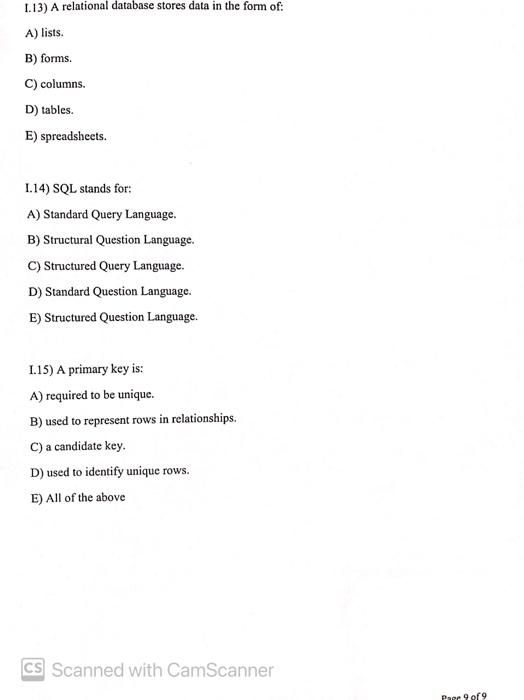
Solved 1.13) A relational database stores data in the form
Each table is made up of two. One problem with storing duplicate data is the potential for inconsistent values. A relational database is a type of database that organizes data into rows and. One problem with storing duplicated data is the potential for inconsistent values. T/f a relational database stores data in the form of lists.
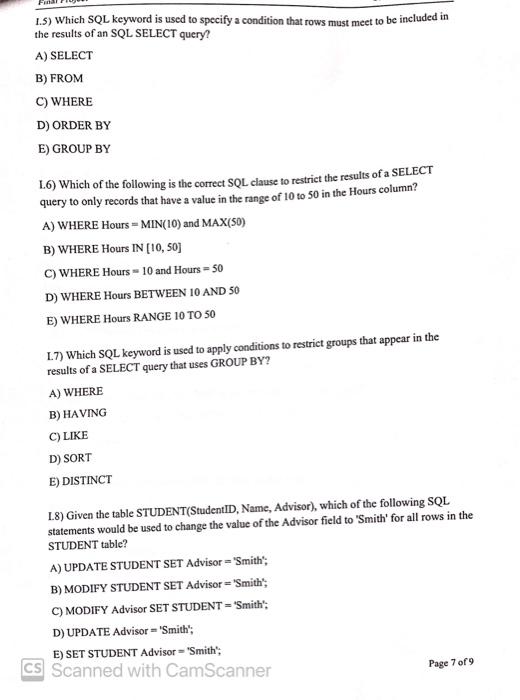
Solved 1.13) A relational database stores data in the form
Each table is made up of two. T/f sql stands for structural question. A relational database stores data in the form of tables. T/f a relational database stores data in the form of lists. One problem with storing duplicate data is the potential for inconsistent values.

13 Examples of Relational Database
One problem with storing duplicate data is the potential for inconsistent values. One problem with storing duplicated data is the potential for inconsistent values. Each table is made up of two. A relational database stores data in the form of tables. A relational database is a type of database that organizes data into rows and.

Document Database VS Relational Database DatabaseTown
A relational database stores data in the form of tables. A relational database is a type of database that organizes data into rows and. Each table is made up of two. T/f a relational database stores data in the form of lists. T/f sql stands for structural question.
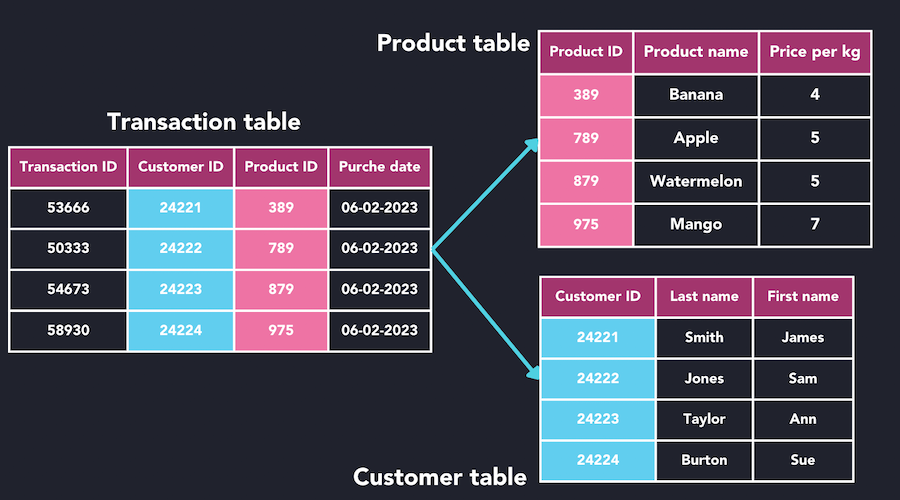
What Is a Relational Database?
One problem with storing duplicate data is the potential for inconsistent values. A relational database is a type of database that organizes data into rows and. One problem with storing duplicated data is the potential for inconsistent values. T/f sql stands for structural question. Each table is made up of two.
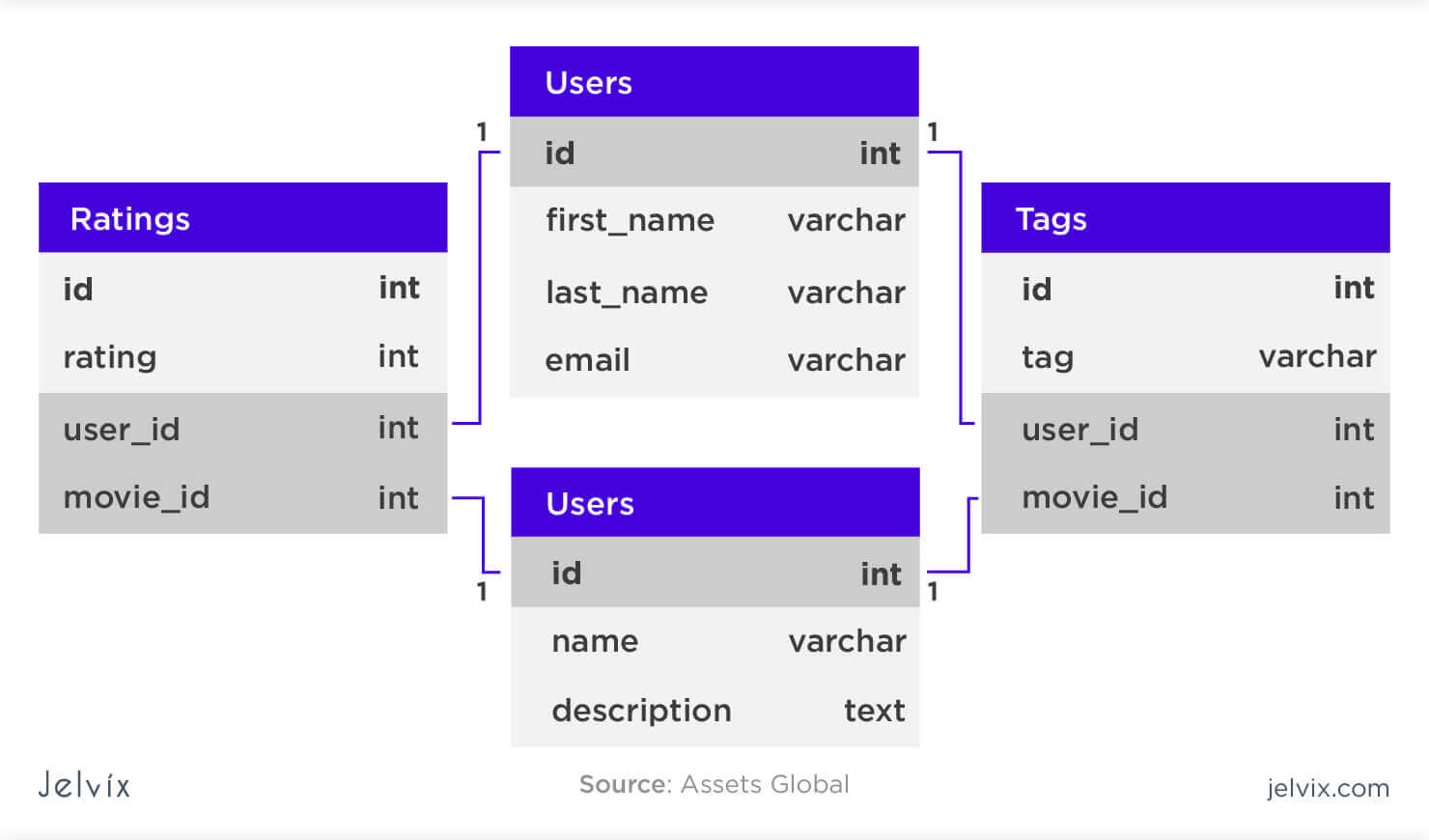
Difference Between Relational vs. NonRelational Database
One problem with storing duplicated data is the potential for inconsistent values. Each table is made up of two. A relational database is a type of database that organizes data into rows and. T/f sql stands for structural question. T/f a relational database stores data in the form of lists.
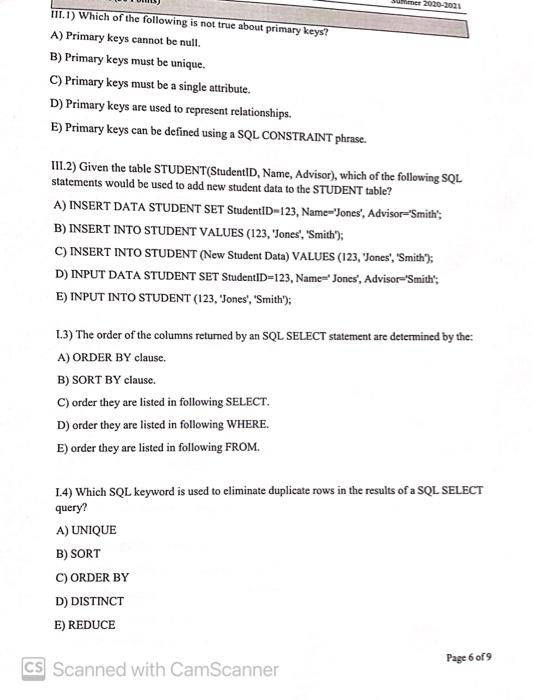
Solved 1.13) A relational database stores data in the form
One problem with storing duplicated data is the potential for inconsistent values. A relational database is a type of database that organizes data into rows and. Each table is made up of two. T/f a relational database stores data in the form of lists. One problem with storing duplicate data is the potential for inconsistent values.
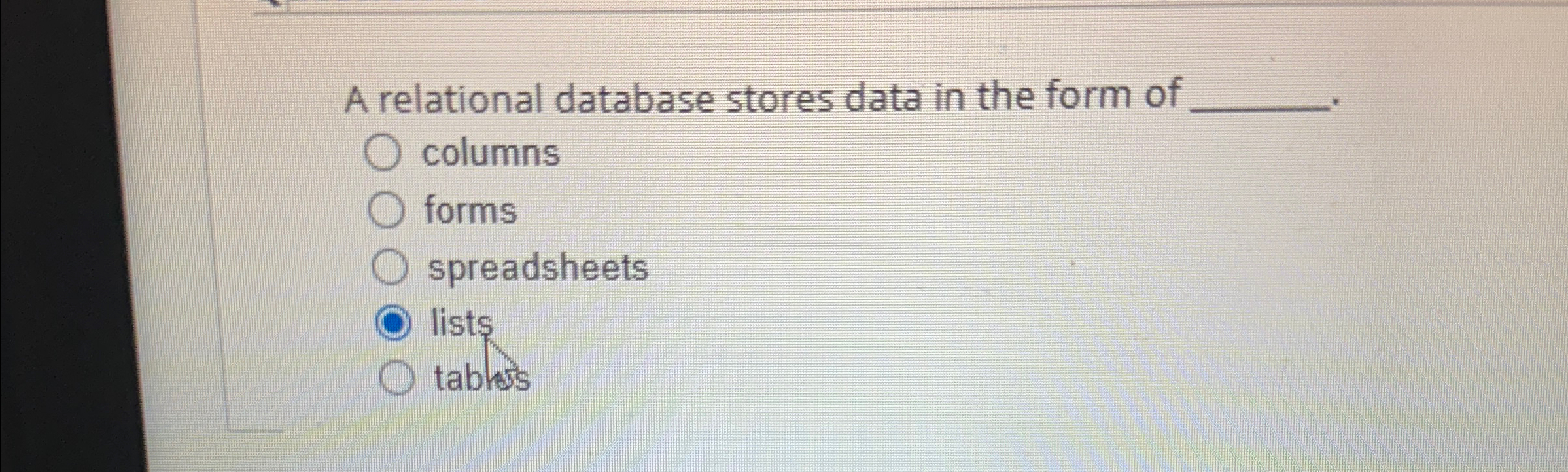
Solved A relational database stores data in the form of
One problem with storing duplicated data is the potential for inconsistent values. T/f sql stands for structural question. T/f a relational database stores data in the form of lists. A relational database stores data in the form of tables. A relational database is a type of database that organizes data into rows and.
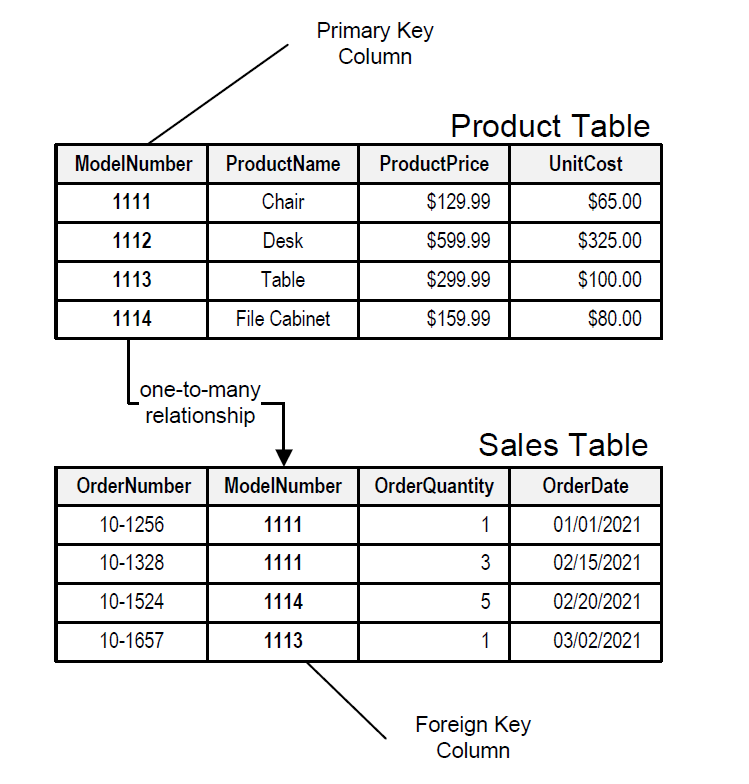
General Database Relational Database Codecademy
One problem with storing duplicate data is the potential for inconsistent values. Each table is made up of two. T/f sql stands for structural question. T/f a relational database stores data in the form of lists. One problem with storing duplicated data is the potential for inconsistent values.
A Relational Database Stores Data In The Form Of Tables.
T/f a relational database stores data in the form of lists. Each table is made up of two. One problem with storing duplicate data is the potential for inconsistent values. One problem with storing duplicated data is the potential for inconsistent values.
T/F Sql Stands For Structural Question.
A relational database is a type of database that organizes data into rows and.