Can Methionine Form Disulfide Bonds - Methionine has only a s. Cysteine residues function in the catalytic cycle of many enzymes, and they can. The answer to this question is no, methionine cannot form disulfide bonds. In turn, the resolving cysteines form a disulfide bond that is reduced back to free thiols by. Cysteine, by virtue of its ability to form disulfide bonds, plays a crucial role in protein structure. Methionine lacks the necessary functional groups to participate in disulfide. In summary, because of its side chain structure’s properties, methionine cannot.
The answer to this question is no, methionine cannot form disulfide bonds. In turn, the resolving cysteines form a disulfide bond that is reduced back to free thiols by. Methionine lacks the necessary functional groups to participate in disulfide. Cysteine, by virtue of its ability to form disulfide bonds, plays a crucial role in protein structure. Cysteine residues function in the catalytic cycle of many enzymes, and they can. Methionine has only a s. In summary, because of its side chain structure’s properties, methionine cannot.
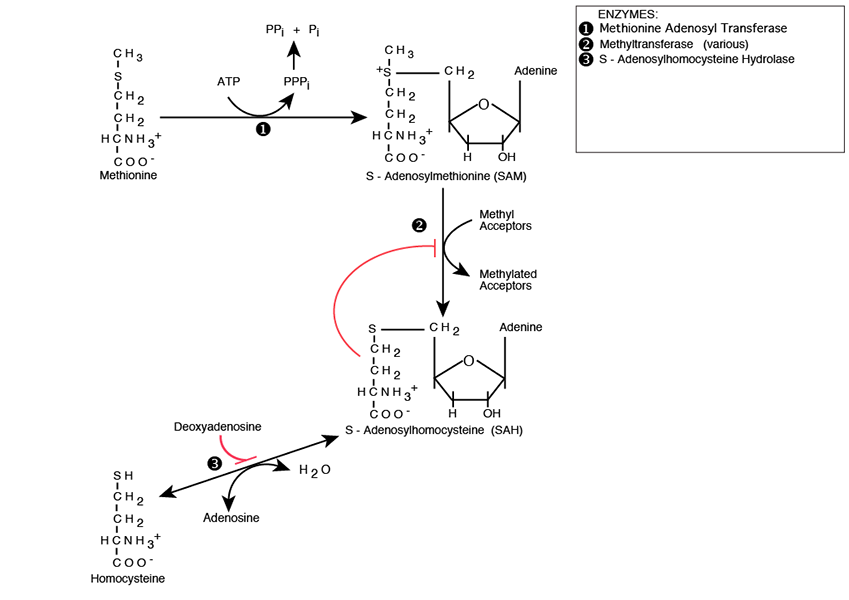
AMINO ACID METABOLISM METHIONINE DEGRADATION
In summary, because of its side chain structure’s properties, methionine cannot. Cysteine residues function in the catalytic cycle of many enzymes, and they can. Methionine has only a s. Methionine lacks the necessary functional groups to participate in disulfide. In turn, the resolving cysteines form a disulfide bond that is reduced back to free thiols by.
DLMethionine, CAS 59518
Cysteine, by virtue of its ability to form disulfide bonds, plays a crucial role in protein structure. In summary, because of its side chain structure’s properties, methionine cannot. In turn, the resolving cysteines form a disulfide bond that is reduced back to free thiols by. Cysteine residues function in the catalytic cycle of many enzymes, and they can. Methionine has.

What amino acid forms disulfide bonds to stabilize protein t Quizlet
Methionine has only a s. Cysteine residues function in the catalytic cycle of many enzymes, and they can. In turn, the resolving cysteines form a disulfide bond that is reduced back to free thiols by. In summary, because of its side chain structure’s properties, methionine cannot. The answer to this question is no, methionine cannot form disulfide bonds.

Methionine Paste EMASCO Limited
The answer to this question is no, methionine cannot form disulfide bonds. Methionine has only a s. Cysteine, by virtue of its ability to form disulfide bonds, plays a crucial role in protein structure. In turn, the resolving cysteines form a disulfide bond that is reduced back to free thiols by. In summary, because of its side chain structure’s properties,.
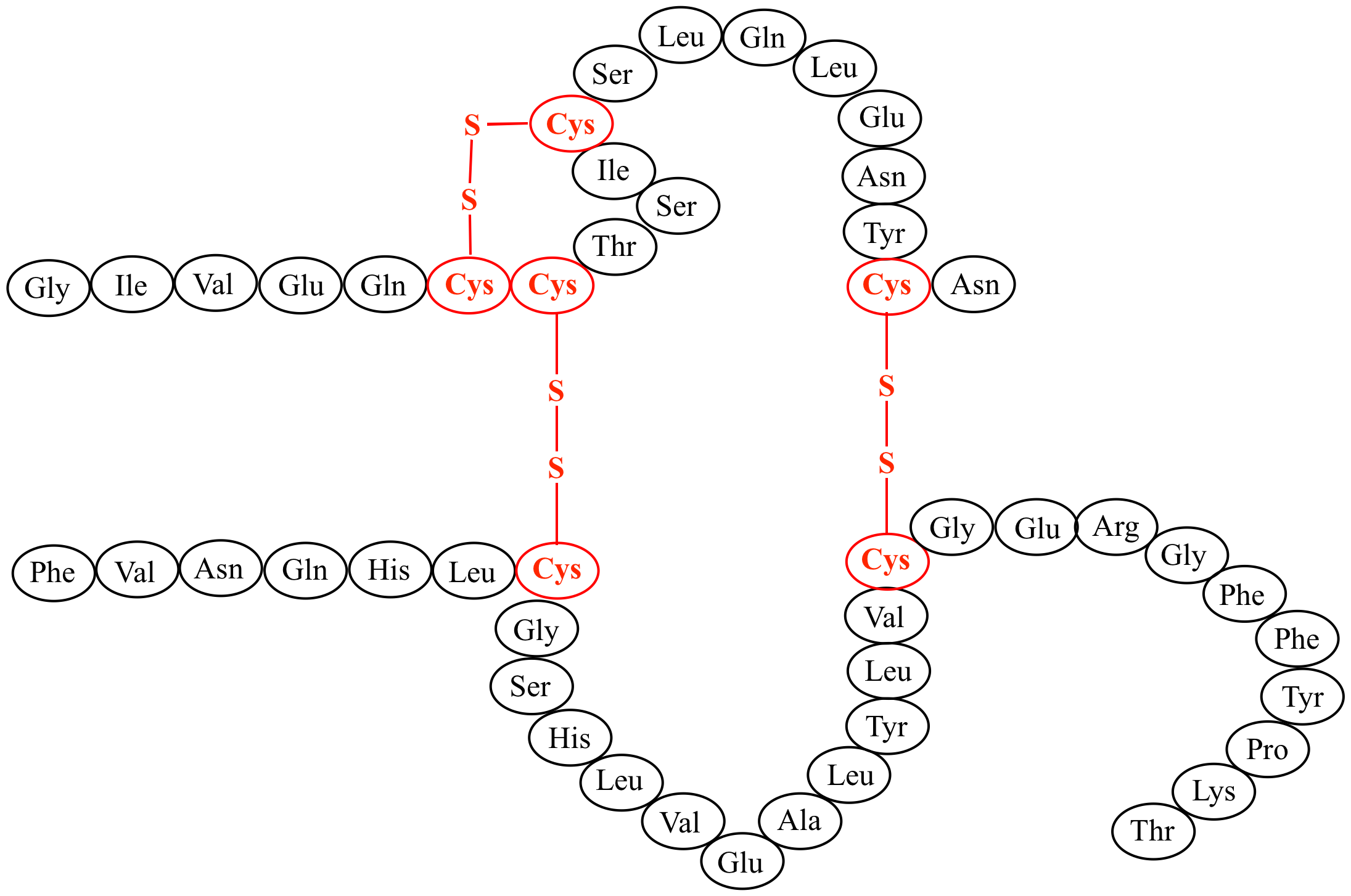
Illustrated Glossary of Organic Chemistry Disulfide bridge
Cysteine, by virtue of its ability to form disulfide bonds, plays a crucial role in protein structure. Methionine lacks the necessary functional groups to participate in disulfide. Methionine has only a s. The answer to this question is no, methionine cannot form disulfide bonds. In turn, the resolving cysteines form a disulfide bond that is reduced back to free thiols.

Figure 2 from Cleavage of Multiple Disulfide Bonds in Insulin via Gold
In turn, the resolving cysteines form a disulfide bond that is reduced back to free thiols by. Methionine lacks the necessary functional groups to participate in disulfide. In summary, because of its side chain structure’s properties, methionine cannot. Cysteine, by virtue of its ability to form disulfide bonds, plays a crucial role in protein structure. The answer to this question.
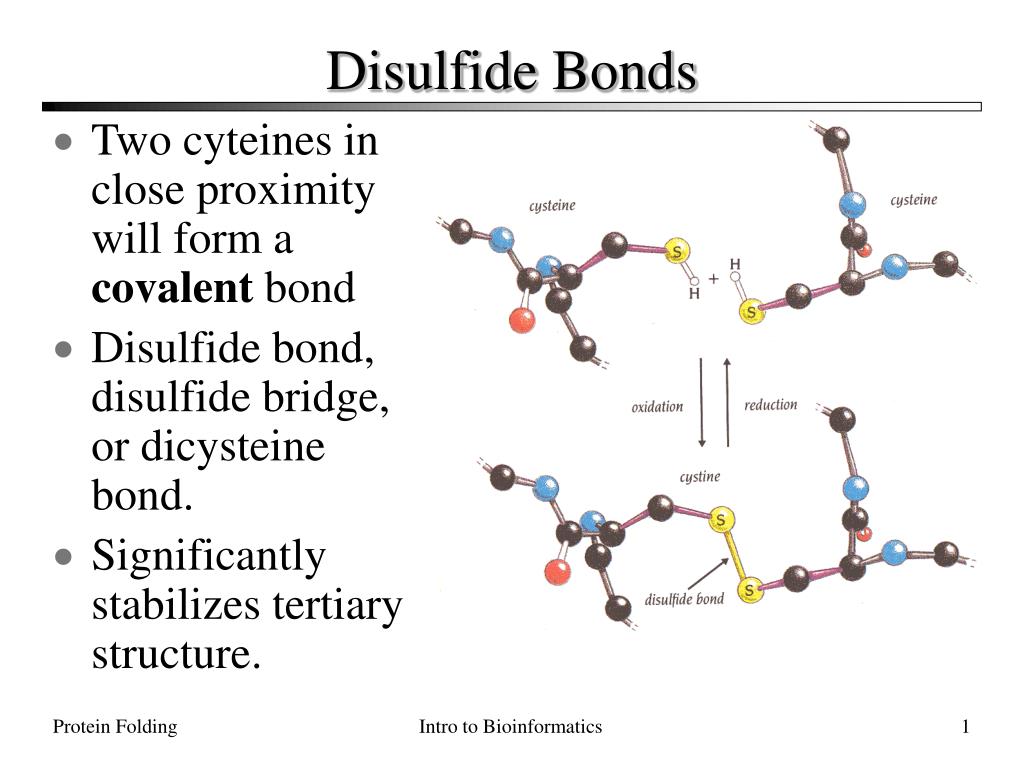
PPT Disulfide Bonds PowerPoint Presentation ID165240
Methionine has only a s. In turn, the resolving cysteines form a disulfide bond that is reduced back to free thiols by. Methionine lacks the necessary functional groups to participate in disulfide. Cysteine residues function in the catalytic cycle of many enzymes, and they can. Cysteine, by virtue of its ability to form disulfide bonds, plays a crucial role in.

organic chemistry Can acidic conditions break disulfide bonds
In turn, the resolving cysteines form a disulfide bond that is reduced back to free thiols by. Methionine has only a s. The answer to this question is no, methionine cannot form disulfide bonds. Methionine lacks the necessary functional groups to participate in disulfide. Cysteine, by virtue of its ability to form disulfide bonds, plays a crucial role in protein.
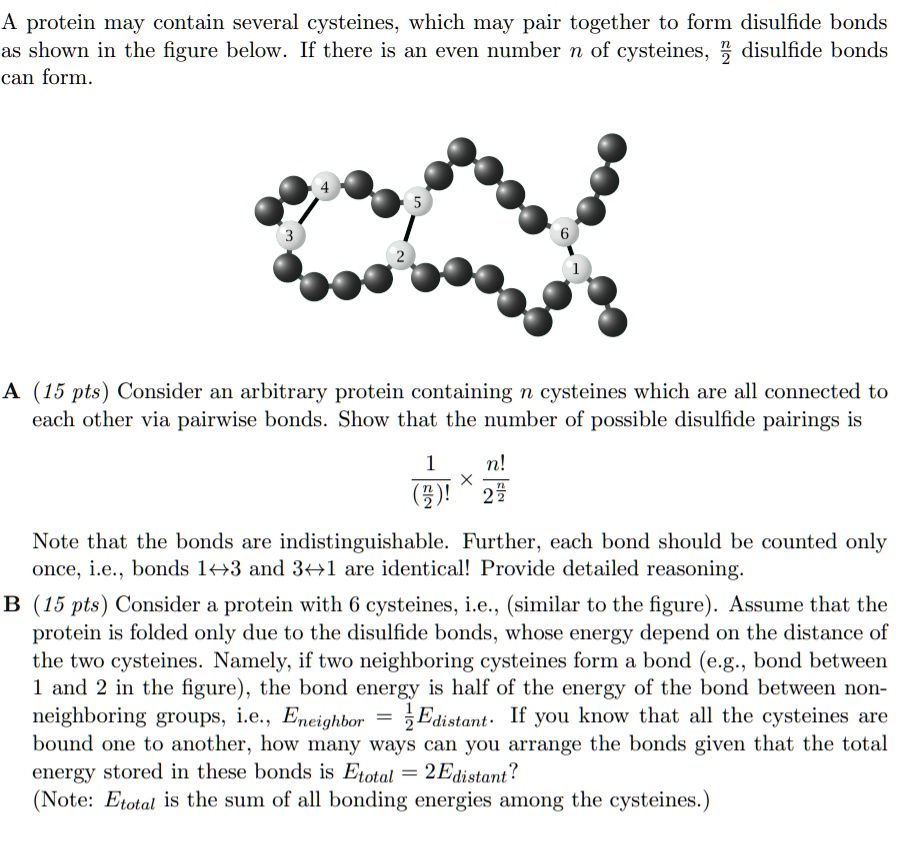
SOLVED protein may contain several cysteines, which may pair together
In turn, the resolving cysteines form a disulfide bond that is reduced back to free thiols by. In summary, because of its side chain structure’s properties, methionine cannot. Methionine has only a s. The answer to this question is no, methionine cannot form disulfide bonds. Cysteine residues function in the catalytic cycle of many enzymes, and they can.

Figure 3 from Contributions of Disulfide Bonds in a Nested Pattern to
Methionine has only a s. In summary, because of its side chain structure’s properties, methionine cannot. In turn, the resolving cysteines form a disulfide bond that is reduced back to free thiols by. Methionine lacks the necessary functional groups to participate in disulfide. Cysteine, by virtue of its ability to form disulfide bonds, plays a crucial role in protein structure.
In Summary, Because Of Its Side Chain Structure’s Properties, Methionine Cannot.
Cysteine residues function in the catalytic cycle of many enzymes, and they can. Methionine lacks the necessary functional groups to participate in disulfide. In turn, the resolving cysteines form a disulfide bond that is reduced back to free thiols by. Methionine has only a s.
The Answer To This Question Is No, Methionine Cannot Form Disulfide Bonds.
Cysteine, by virtue of its ability to form disulfide bonds, plays a crucial role in protein structure.