Converts Mrna Into A Protein - This takes place over three main. Learn how the cell converts dna into working proteins through the processes of transcription and translation. Translation converts the genetic information encoded in messenger rna (mrna) into a sequence of amino acids, ultimately. However, most genes in a cell produce mrna molecules that serve as intermediaries on the pathway to proteins. In this section we examine. Translation is the second part of the central dogma of molecular biology: Find out how mrna is read. The process in which ribosomes convert mrna into a protein is known as translation. It is the process in which the genetic code in mrna.
Find out how mrna is read. Translation is the second part of the central dogma of molecular biology: In this section we examine. However, most genes in a cell produce mrna molecules that serve as intermediaries on the pathway to proteins. The process in which ribosomes convert mrna into a protein is known as translation. Learn how the cell converts dna into working proteins through the processes of transcription and translation. Translation converts the genetic information encoded in messenger rna (mrna) into a sequence of amino acids, ultimately. It is the process in which the genetic code in mrna. This takes place over three main.
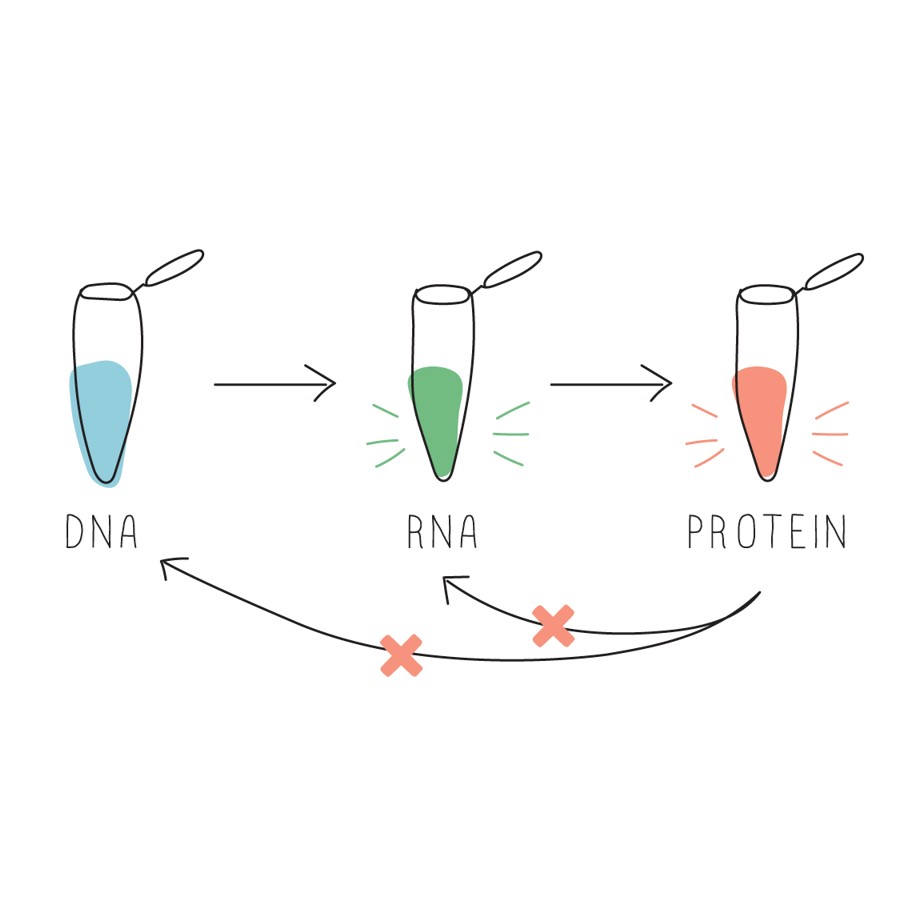
Understanding the Science of mRNA Vaccines miniPCR bio
Translation is the second part of the central dogma of molecular biology: In this section we examine. However, most genes in a cell produce mrna molecules that serve as intermediaries on the pathway to proteins. It is the process in which the genetic code in mrna. Find out how mrna is read.
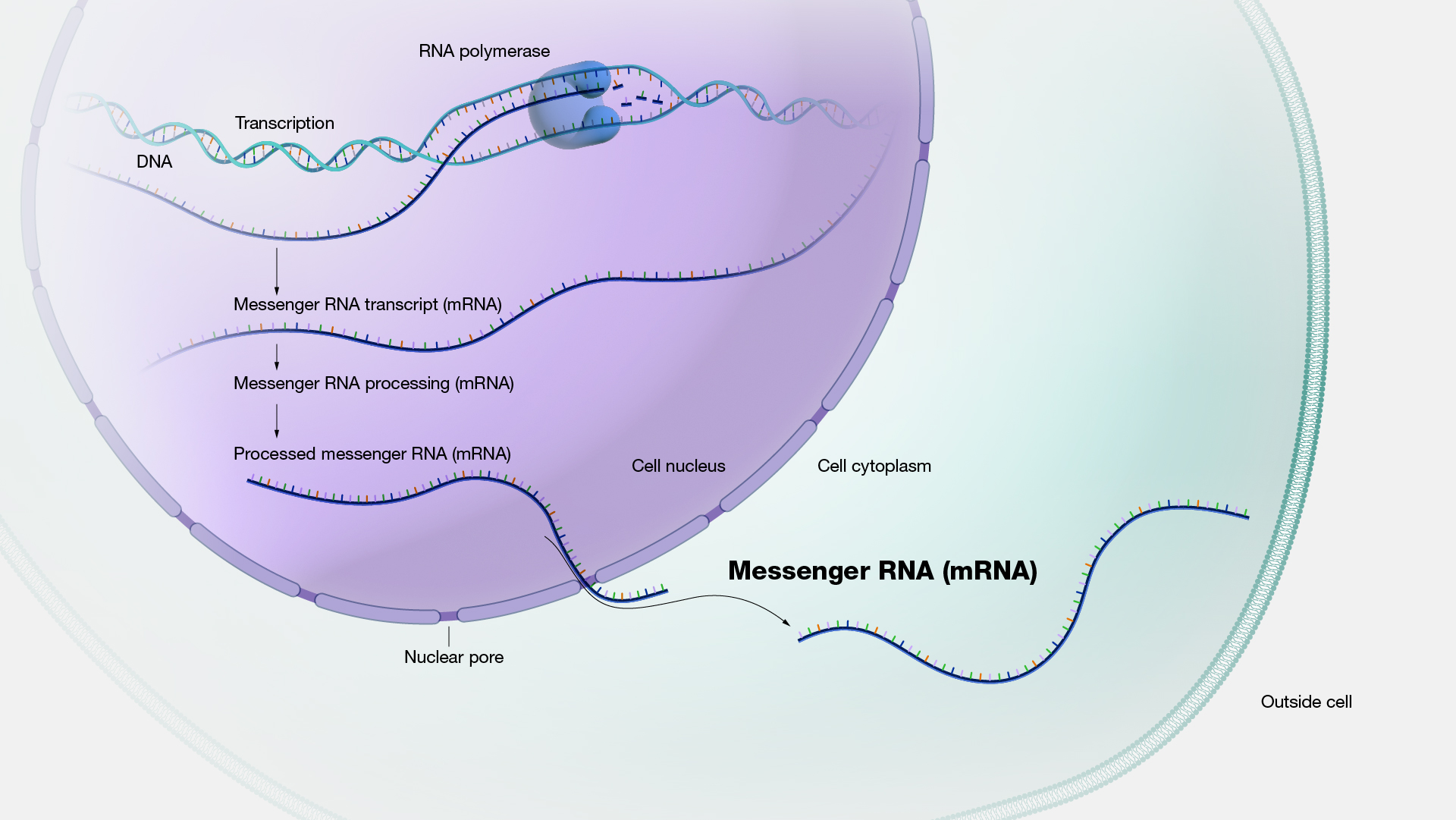
Messenger RNA (mRNA)
Learn how the cell converts dna into working proteins through the processes of transcription and translation. This takes place over three main. Translation is the second part of the central dogma of molecular biology: The process in which ribosomes convert mrna into a protein is known as translation. Translation converts the genetic information encoded in messenger rna (mrna) into a.
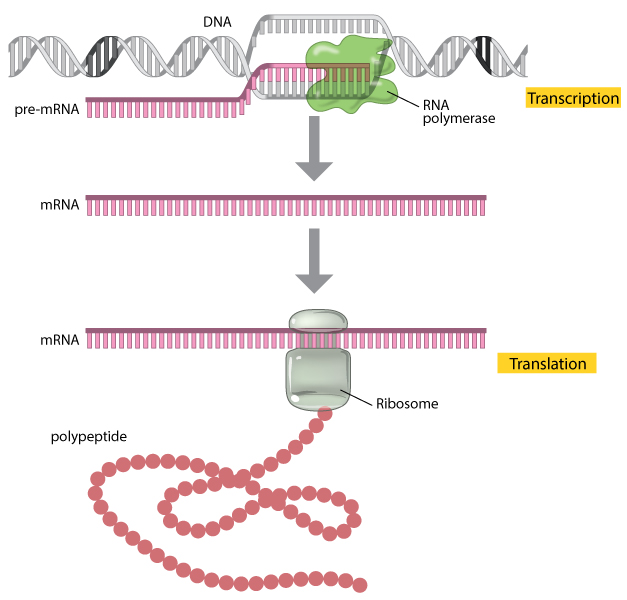
Translation DNA to mRNA to Protein Learn Science at Scitable
The process in which ribosomes convert mrna into a protein is known as translation. Learn how the cell converts dna into working proteins through the processes of transcription and translation. Translation converts the genetic information encoded in messenger rna (mrna) into a sequence of amino acids, ultimately. Find out how mrna is read. Translation is the second part of the.
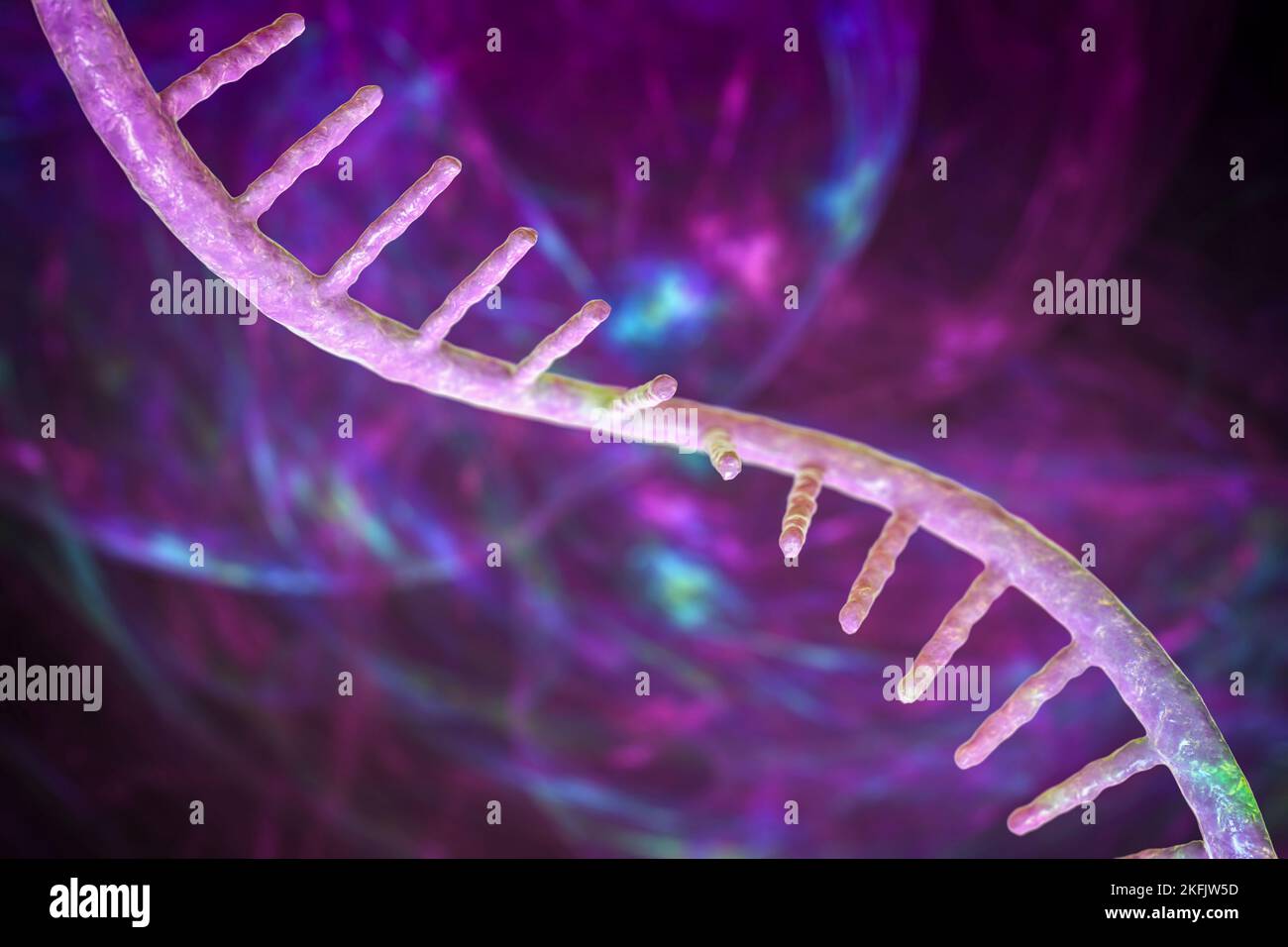
Molecule of mRNA, illustration Stock Photo Alamy
Translation is the second part of the central dogma of molecular biology: Learn how the cell converts dna into working proteins through the processes of transcription and translation. However, most genes in a cell produce mrna molecules that serve as intermediaries on the pathway to proteins. Translation converts the genetic information encoded in messenger rna (mrna) into a sequence of.
[Solved] 9. The process by which mRNA is converted into a protein
In this section we examine. Translation converts the genetic information encoded in messenger rna (mrna) into a sequence of amino acids, ultimately. Learn how the cell converts dna into working proteins through the processes of transcription and translation. Translation is the second part of the central dogma of molecular biology: The process in which ribosomes convert mrna into a protein.
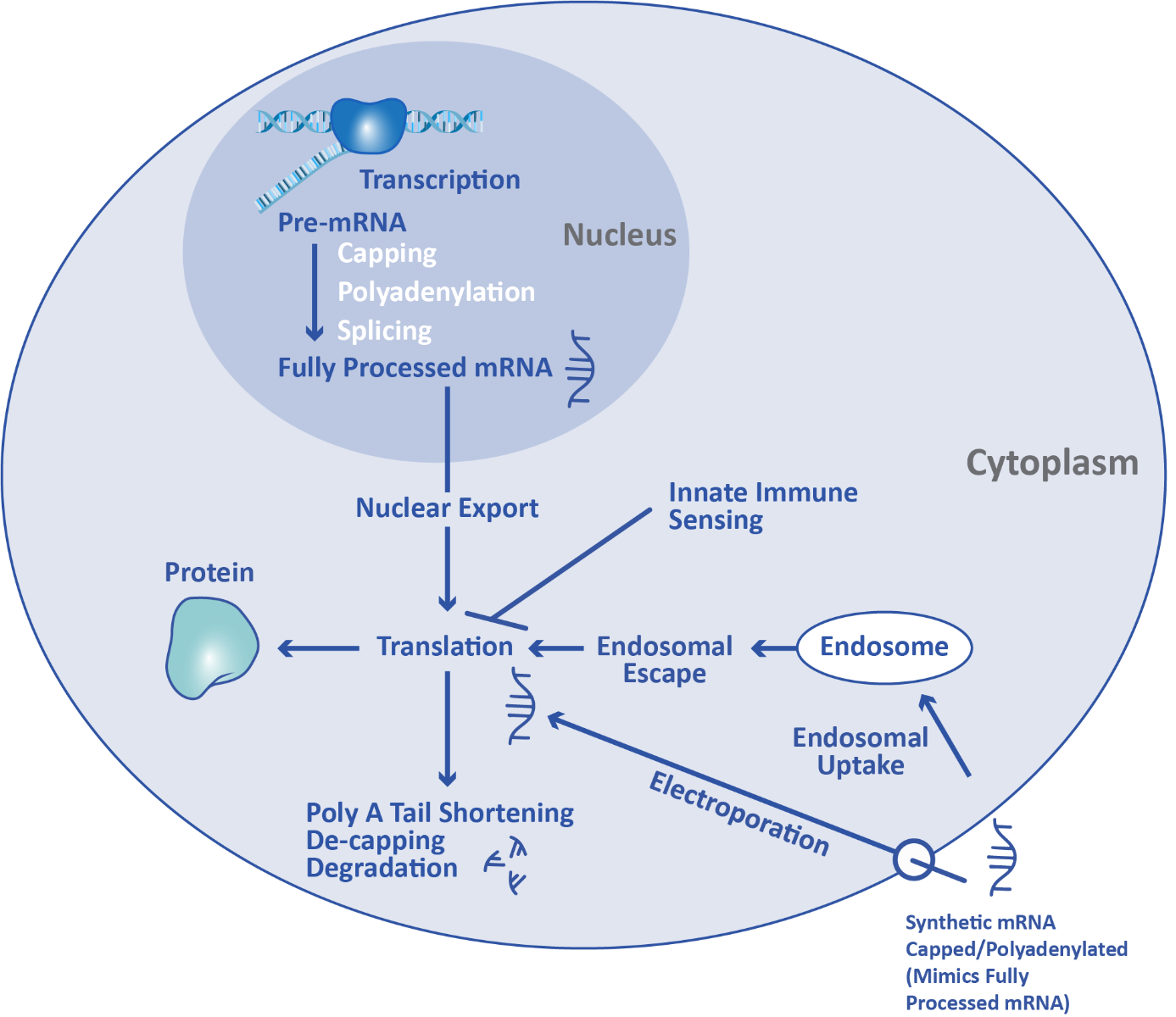
mRNA Basics TriLink BioTechnologies
Translation converts the genetic information encoded in messenger rna (mrna) into a sequence of amino acids, ultimately. Translation is the second part of the central dogma of molecular biology: In this section we examine. The process in which ribosomes convert mrna into a protein is known as translation. It is the process in which the genetic code in mrna.
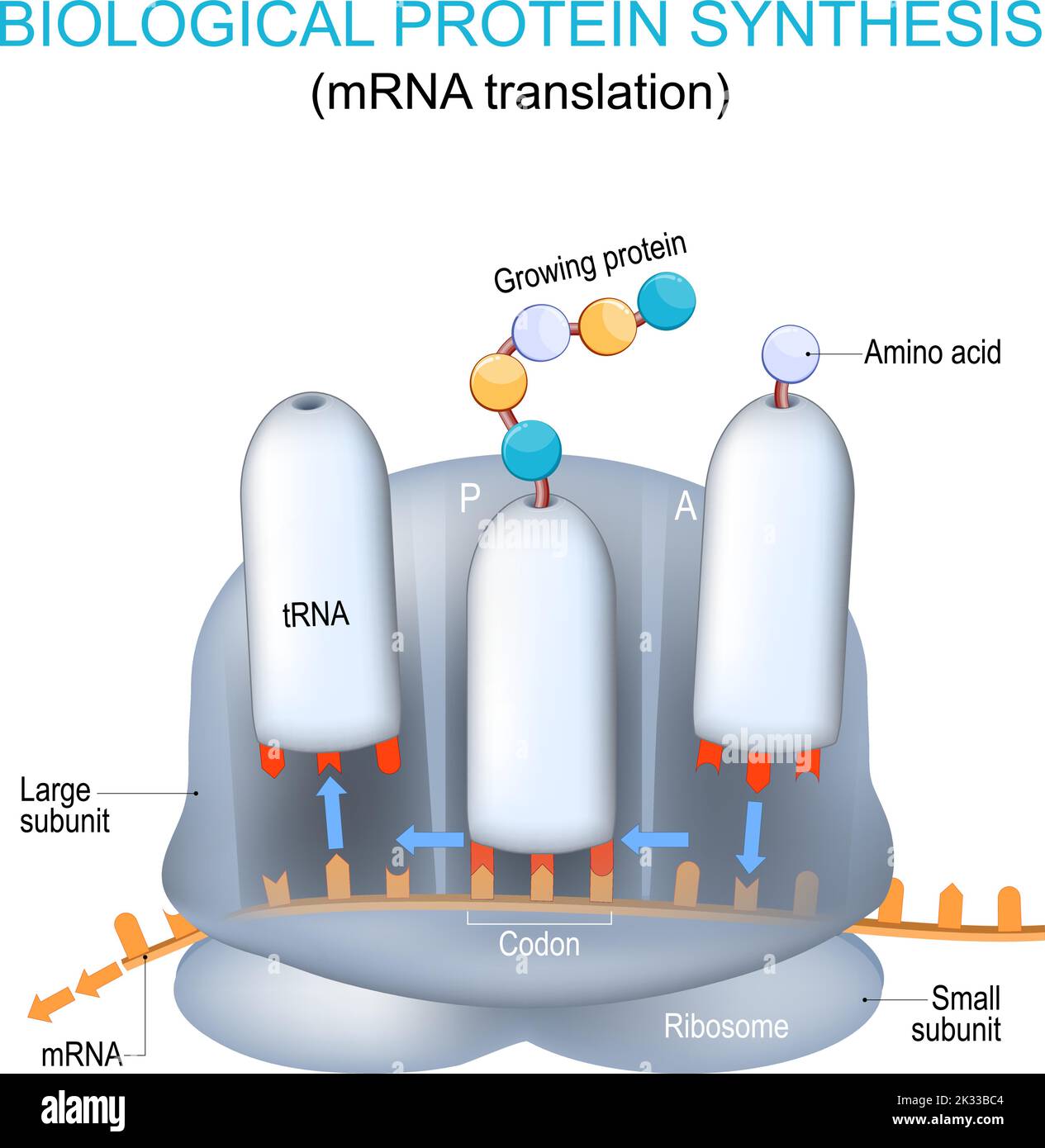
Mrna ribosomes Stock Vector Images Alamy
Translation is the second part of the central dogma of molecular biology: In this section we examine. This takes place over three main. Learn how the cell converts dna into working proteins through the processes of transcription and translation. Find out how mrna is read.
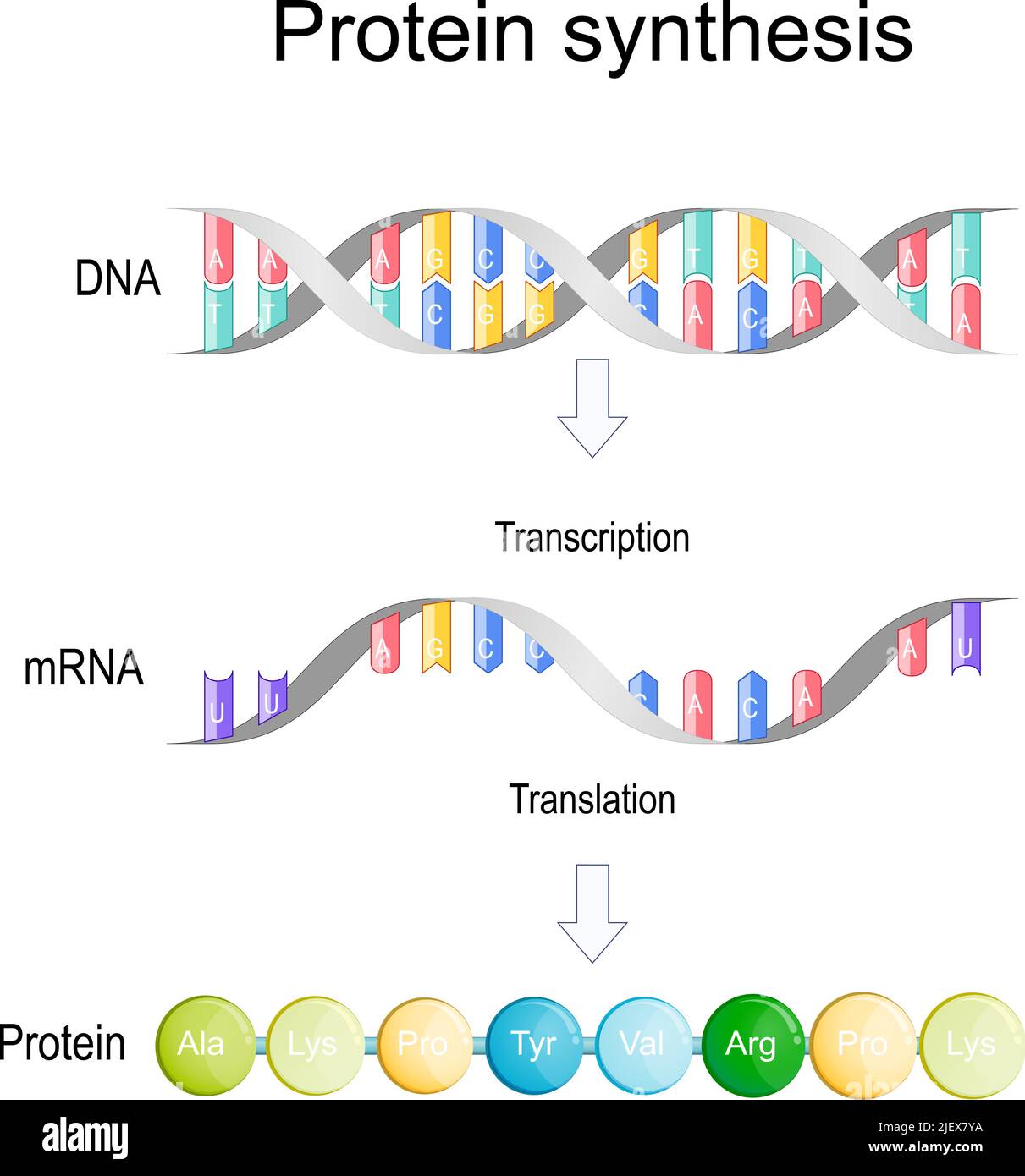
Mrna ribosomes Stock Vector Images Alamy
Learn how the cell converts dna into working proteins through the processes of transcription and translation. In this section we examine. This takes place over three main. It is the process in which the genetic code in mrna. Translation is the second part of the central dogma of molecular biology:

The Role of mRNA in Protein Synthesis Function & Purpose Lesson
Learn how the cell converts dna into working proteins through the processes of transcription and translation. In this section we examine. Translation converts the genetic information encoded in messenger rna (mrna) into a sequence of amino acids, ultimately. Translation is the second part of the central dogma of molecular biology: However, most genes in a cell produce mrna molecules that.
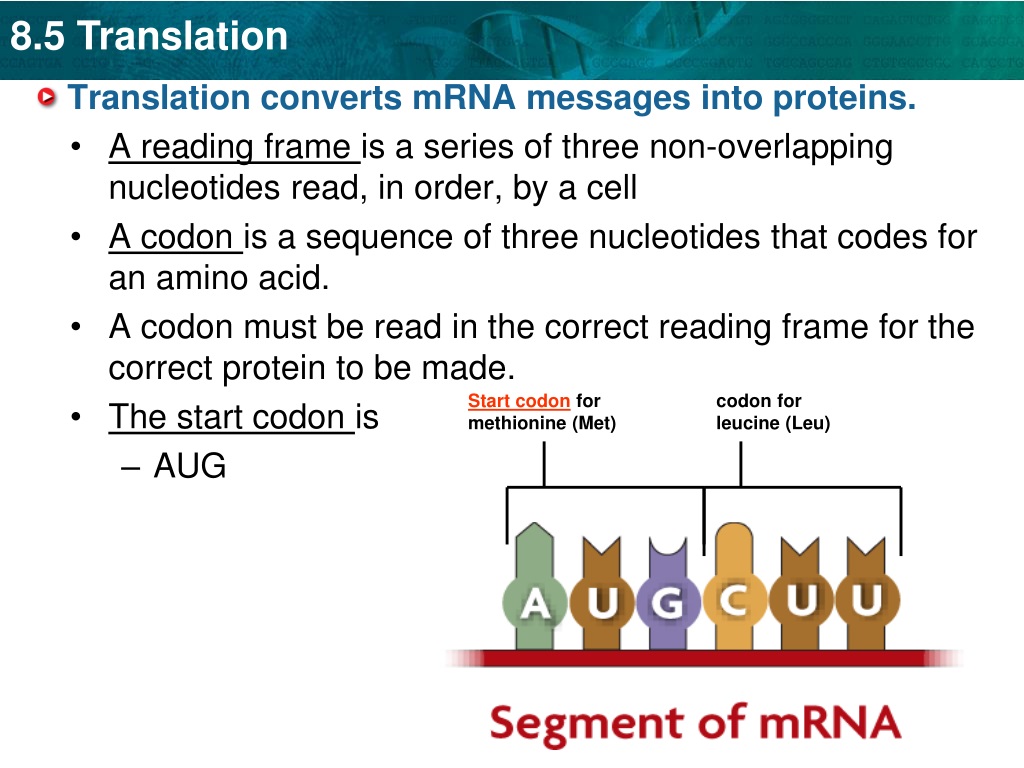
PPT KEY CONCEPT Translation converts an mRNA message into a protein
Translation is the second part of the central dogma of molecular biology: Learn how the cell converts dna into working proteins through the processes of transcription and translation. The process in which ribosomes convert mrna into a protein is known as translation. It is the process in which the genetic code in mrna. In this section we examine.
Translation Is The Second Part Of The Central Dogma Of Molecular Biology:
Translation converts the genetic information encoded in messenger rna (mrna) into a sequence of amino acids, ultimately. In this section we examine. It is the process in which the genetic code in mrna. Learn how the cell converts dna into working proteins through the processes of transcription and translation.
The Process In Which Ribosomes Convert Mrna Into A Protein Is Known As Translation.
However, most genes in a cell produce mrna molecules that serve as intermediaries on the pathway to proteins. This takes place over three main. Find out how mrna is read.