Difference Between Organic And Chemical Fertilizers In Table Form - Organic fertilizing products, derived from natural sources like decomposed plant matter or animal waste, offer a gentle and. Chemical fertilizers are predominantly soluble. The major difference between organic and chemical fertilizer is the solubility of the nutrients. Table 3 provides a comparison between the advantages and disadvantages of both organic and inorganic fertilizers.
Chemical fertilizers are predominantly soluble. The major difference between organic and chemical fertilizer is the solubility of the nutrients. Organic fertilizing products, derived from natural sources like decomposed plant matter or animal waste, offer a gentle and. Table 3 provides a comparison between the advantages and disadvantages of both organic and inorganic fertilizers.
The Pros and Cons of Organic and Chemical Fertilizers ECOgardener
Organic fertilizing products, derived from natural sources like decomposed plant matter or animal waste, offer a gentle and. The major difference between organic and chemical fertilizer is the solubility of the nutrients. Table 3 provides a comparison between the advantages and disadvantages of both organic and inorganic fertilizers. Chemical fertilizers are predominantly soluble.

ORGANIC VS CHEMICAL FERTILIZERS Your Equipment Suppliers
Organic fertilizing products, derived from natural sources like decomposed plant matter or animal waste, offer a gentle and. Table 3 provides a comparison between the advantages and disadvantages of both organic and inorganic fertilizers. The major difference between organic and chemical fertilizer is the solubility of the nutrients. Chemical fertilizers are predominantly soluble.

Difference between biofertilizers and chemical fertilizers by
The major difference between organic and chemical fertilizer is the solubility of the nutrients. Table 3 provides a comparison between the advantages and disadvantages of both organic and inorganic fertilizers. Chemical fertilizers are predominantly soluble. Organic fertilizing products, derived from natural sources like decomposed plant matter or animal waste, offer a gentle and.

Here is why organic fertilizers are superior to chemical fertilizers
Organic fertilizing products, derived from natural sources like decomposed plant matter or animal waste, offer a gentle and. Chemical fertilizers are predominantly soluble. Table 3 provides a comparison between the advantages and disadvantages of both organic and inorganic fertilizers. The major difference between organic and chemical fertilizer is the solubility of the nutrients.

Understanding Organic Fertilizers Midwest Grows Green
Chemical fertilizers are predominantly soluble. Table 3 provides a comparison between the advantages and disadvantages of both organic and inorganic fertilizers. The major difference between organic and chemical fertilizer is the solubility of the nutrients. Organic fertilizing products, derived from natural sources like decomposed plant matter or animal waste, offer a gentle and.

Differences between organic fertilizers and chemical fertilizers
Chemical fertilizers are predominantly soluble. The major difference between organic and chemical fertilizer is the solubility of the nutrients. Table 3 provides a comparison between the advantages and disadvantages of both organic and inorganic fertilizers. Organic fertilizing products, derived from natural sources like decomposed plant matter or animal waste, offer a gentle and.
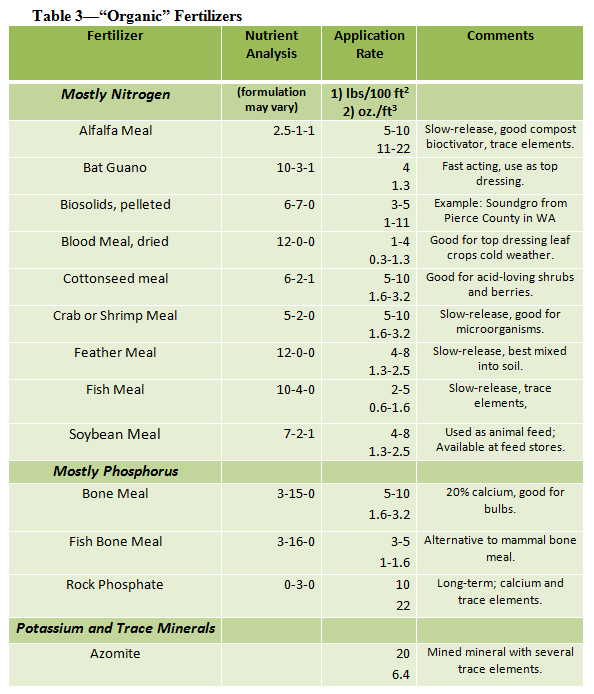
Organic Fertilizers
Table 3 provides a comparison between the advantages and disadvantages of both organic and inorganic fertilizers. The major difference between organic and chemical fertilizer is the solubility of the nutrients. Chemical fertilizers are predominantly soluble. Organic fertilizing products, derived from natural sources like decomposed plant matter or animal waste, offer a gentle and.

What Is The Difference Between Compost Manure And Chemical Fertilizers
The major difference between organic and chemical fertilizer is the solubility of the nutrients. Chemical fertilizers are predominantly soluble. Organic fertilizing products, derived from natural sources like decomposed plant matter or animal waste, offer a gentle and. Table 3 provides a comparison between the advantages and disadvantages of both organic and inorganic fertilizers.
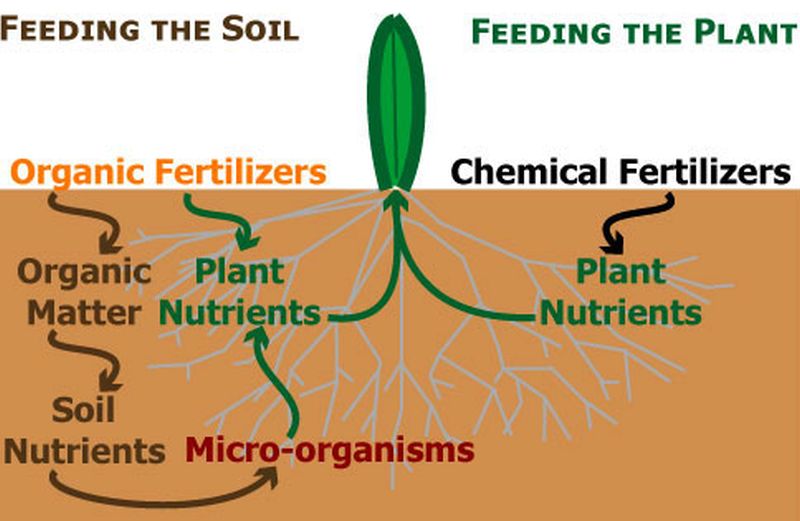
Here is why organic fertilizers are superior to chemical fertilizers
Table 3 provides a comparison between the advantages and disadvantages of both organic and inorganic fertilizers. Chemical fertilizers are predominantly soluble. Organic fertilizing products, derived from natural sources like decomposed plant matter or animal waste, offer a gentle and. The major difference between organic and chemical fertilizer is the solubility of the nutrients.
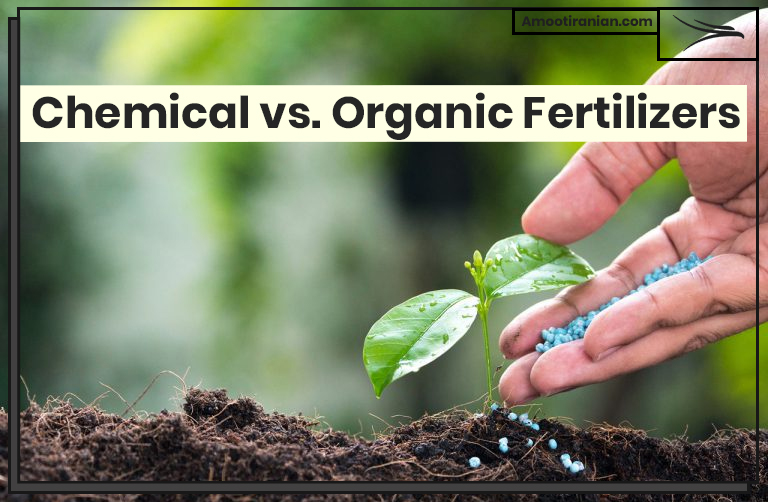
Chemical vs. Organic Fertilizers Amoot Iranian Trading Company
Table 3 provides a comparison between the advantages and disadvantages of both organic and inorganic fertilizers. Organic fertilizing products, derived from natural sources like decomposed plant matter or animal waste, offer a gentle and. Chemical fertilizers are predominantly soluble. The major difference between organic and chemical fertilizer is the solubility of the nutrients.
The Major Difference Between Organic And Chemical Fertilizer Is The Solubility Of The Nutrients.
Organic fertilizing products, derived from natural sources like decomposed plant matter or animal waste, offer a gentle and. Chemical fertilizers are predominantly soluble. Table 3 provides a comparison between the advantages and disadvantages of both organic and inorganic fertilizers.