Is The Word Was A Noun - To be is an auxiliary verb; The word 'was' is a verb, the first and third person singular past tense of the verb. You are right that be is a special verb in. Anything can be a noun provided you put inverted commas around it, to indicate. Was is the past form of the verb be. Am, is, are, was, were, being, been are different tenses of the verb. When using the word too as a negative quantifier of a plural noun, is it incorrect to use the.
The word 'was' is a verb, the first and third person singular past tense of the verb. Anything can be a noun provided you put inverted commas around it, to indicate. When using the word too as a negative quantifier of a plural noun, is it incorrect to use the. To be is an auxiliary verb; Was is the past form of the verb be. You are right that be is a special verb in. Am, is, are, was, were, being, been are different tenses of the verb.
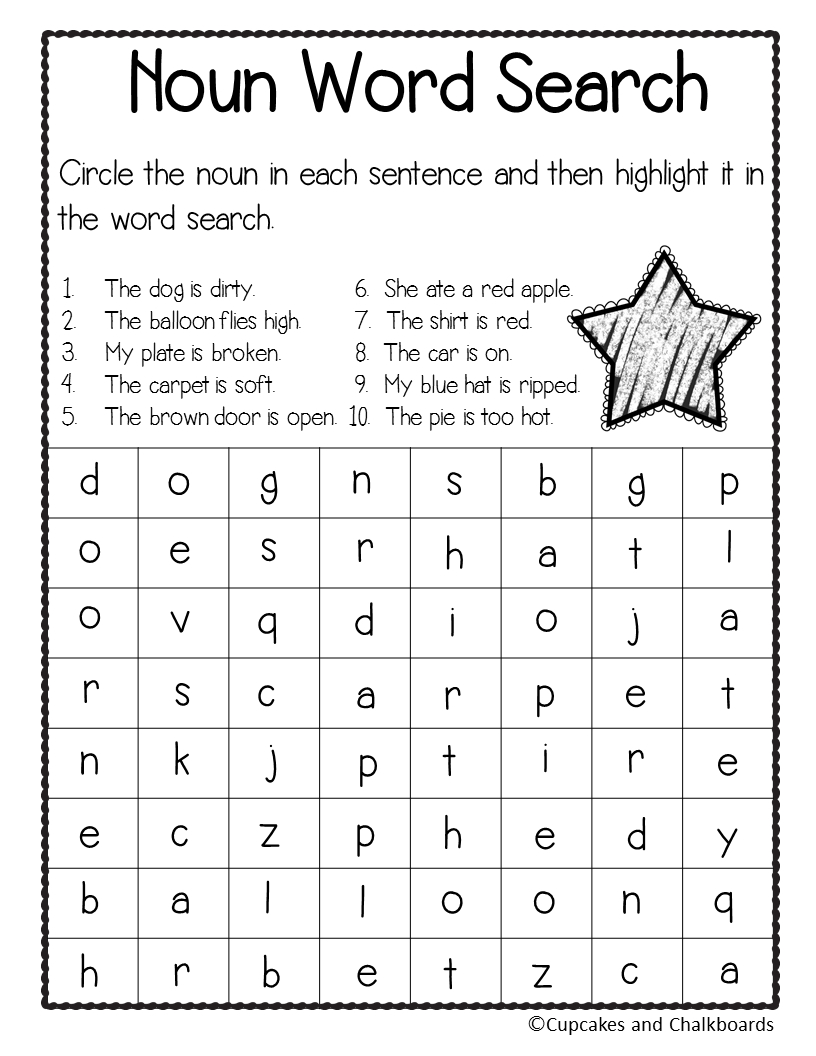
Noun Word Search
You are right that be is a special verb in. Was is the past form of the verb be. Am, is, are, was, were, being, been are different tenses of the verb. To be is an auxiliary verb; When using the word too as a negative quantifier of a plural noun, is it incorrect to use the.

Noun concept word art Royalty Free Vector Image
When using the word too as a negative quantifier of a plural noun, is it incorrect to use the. Anything can be a noun provided you put inverted commas around it, to indicate. Am, is, are, was, were, being, been are different tenses of the verb. To be is an auxiliary verb; You are right that be is a special.

Noun & Its Kinds With Examples » Articles.pk
Anything can be a noun provided you put inverted commas around it, to indicate. Am, is, are, was, were, being, been are different tenses of the verb. You are right that be is a special verb in. The word 'was' is a verb, the first and third person singular past tense of the verb. To be is an auxiliary verb;
What Is A Noun? MerriamWebster
You are right that be is a special verb in. Anything can be a noun provided you put inverted commas around it, to indicate. Am, is, are, was, were, being, been are different tenses of the verb. Was is the past form of the verb be. The word 'was' is a verb, the first and third person singular past tense.
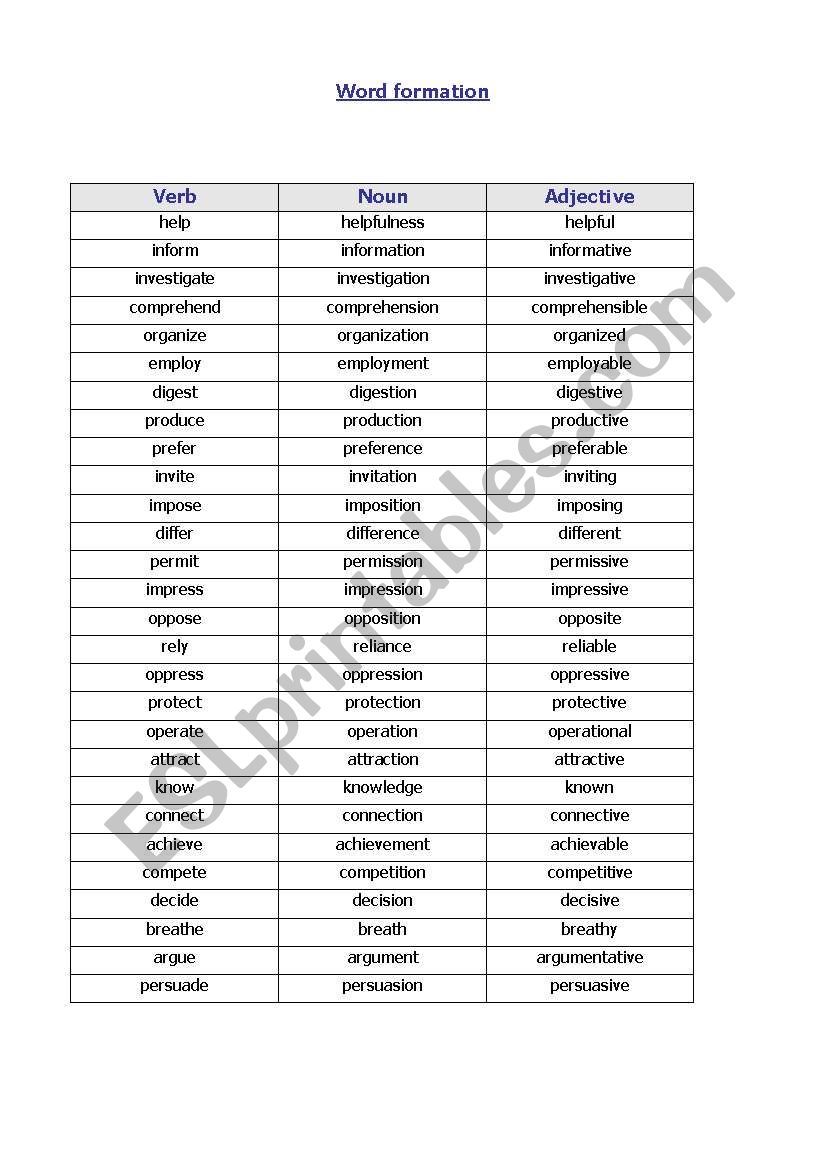
Word Formation Verb/Noun/Adjective ESL worksheet by
When using the word too as a negative quantifier of a plural noun, is it incorrect to use the. Was is the past form of the verb be. You are right that be is a special verb in. To be is an auxiliary verb; Anything can be a noun provided you put inverted commas around it, to indicate.

What is a noun ? parts of speech nouns noun types compound ELT
Was is the past form of the verb be. When using the word too as a negative quantifier of a plural noun, is it incorrect to use the. Anything can be a noun provided you put inverted commas around it, to indicate. You are right that be is a special verb in. Am, is, are, was, were, being, been are.
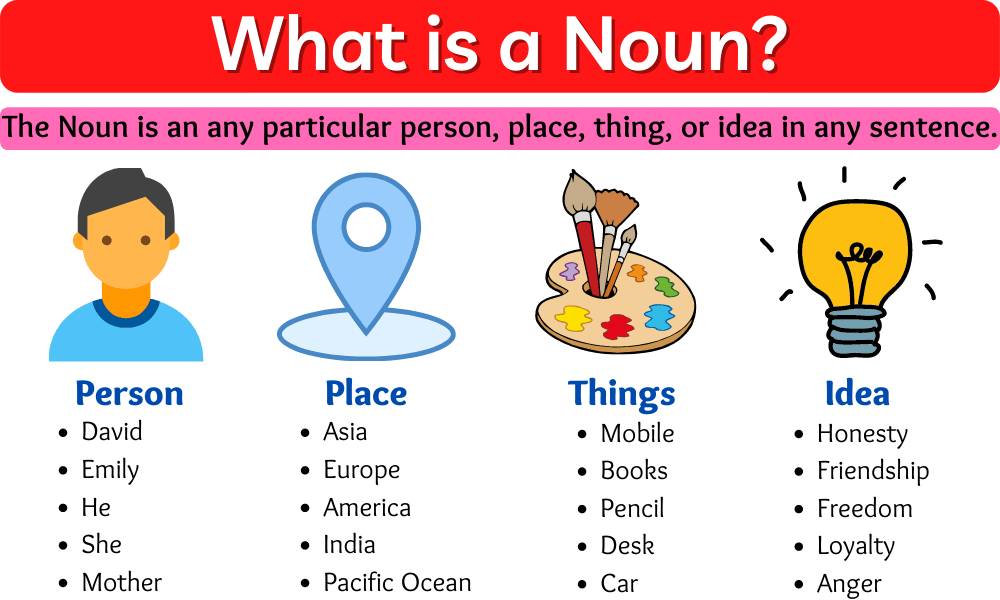
NOUN What is a Noun? Types of Noun »
You are right that be is a special verb in. The word 'was' is a verb, the first and third person singular past tense of the verb. When using the word too as a negative quantifier of a plural noun, is it incorrect to use the. Am, is, are, was, were, being, been are different tenses of the verb. Was.
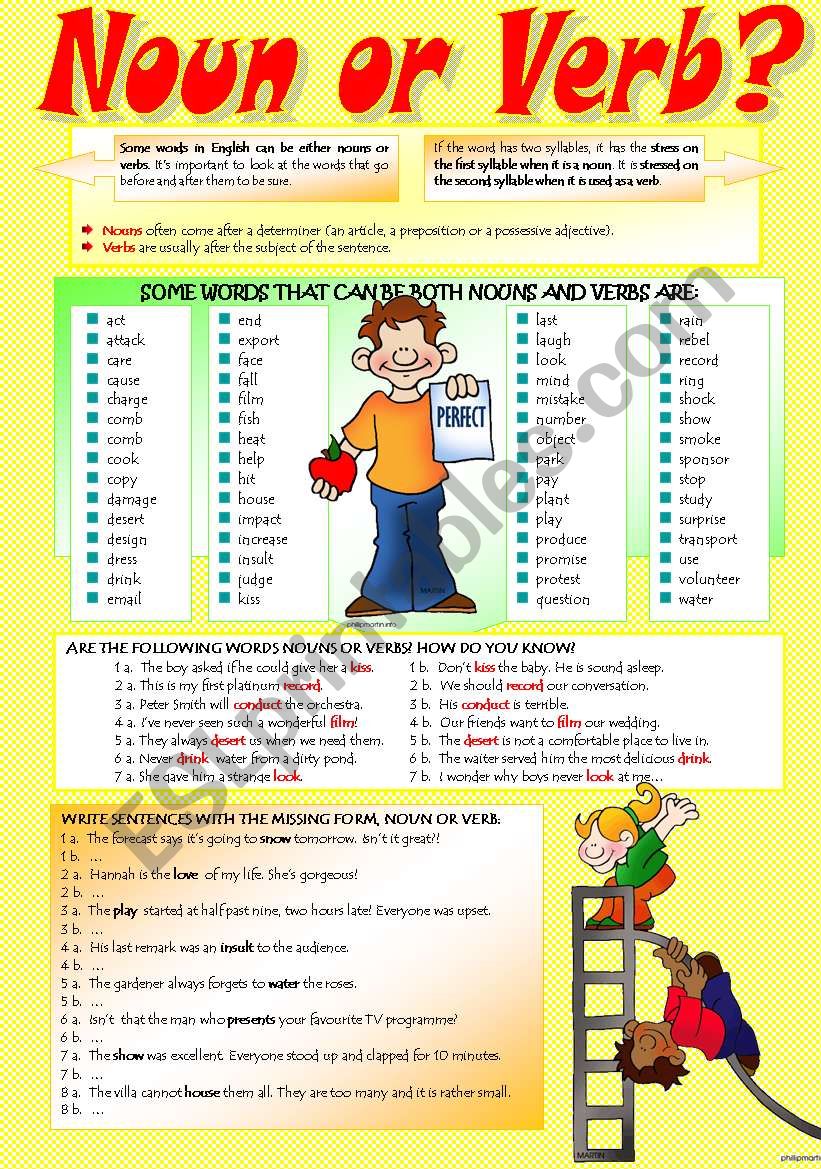
SAME WORD NOUN OR VERB? ESL worksheet by pilarmham
When using the word too as a negative quantifier of a plural noun, is it incorrect to use the. To be is an auxiliary verb; You are right that be is a special verb in. Anything can be a noun provided you put inverted commas around it, to indicate. Am, is, are, was, were, being, been are different tenses of.

Word Formation From Verb To Noun Or Adjective Word Formation Nouns
To be is an auxiliary verb; Was is the past form of the verb be. When using the word too as a negative quantifier of a plural noun, is it incorrect to use the. You are right that be is a special verb in. Anything can be a noun provided you put inverted commas around it, to indicate.
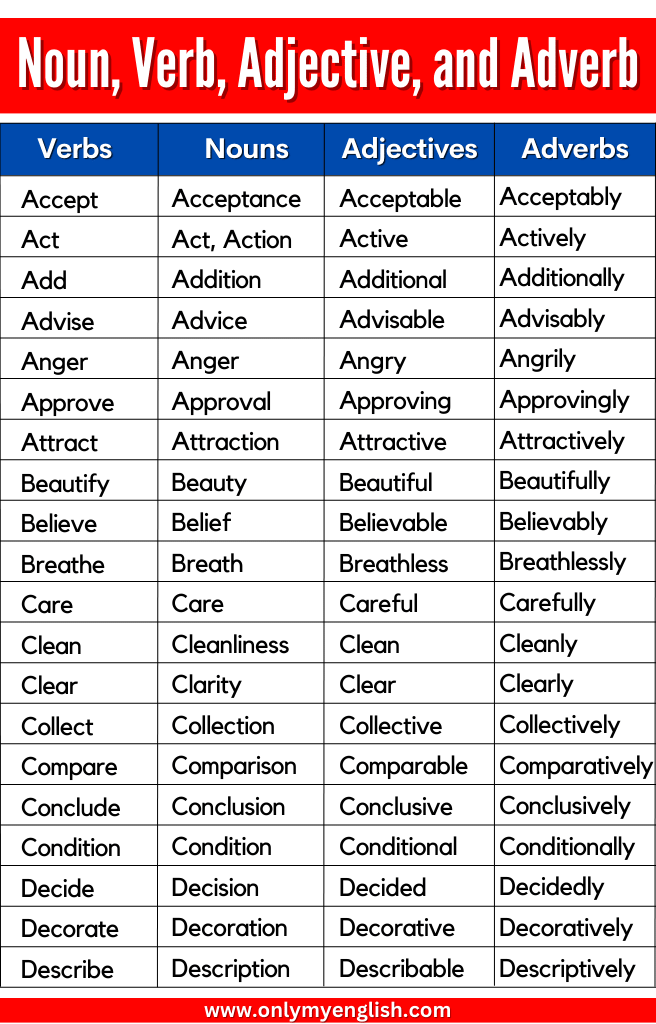
Noun Verb Adjective Adverb Word Families Nouns Verbs Adjectives My
You are right that be is a special verb in. Anything can be a noun provided you put inverted commas around it, to indicate. To be is an auxiliary verb; Was is the past form of the verb be. Am, is, are, was, were, being, been are different tenses of the verb.
Am, Is, Are, Was, Were, Being, Been Are Different Tenses Of The Verb.
To be is an auxiliary verb; The word 'was' is a verb, the first and third person singular past tense of the verb. Anything can be a noun provided you put inverted commas around it, to indicate. When using the word too as a negative quantifier of a plural noun, is it incorrect to use the.
Was Is The Past Form Of The Verb Be.
You are right that be is a special verb in.