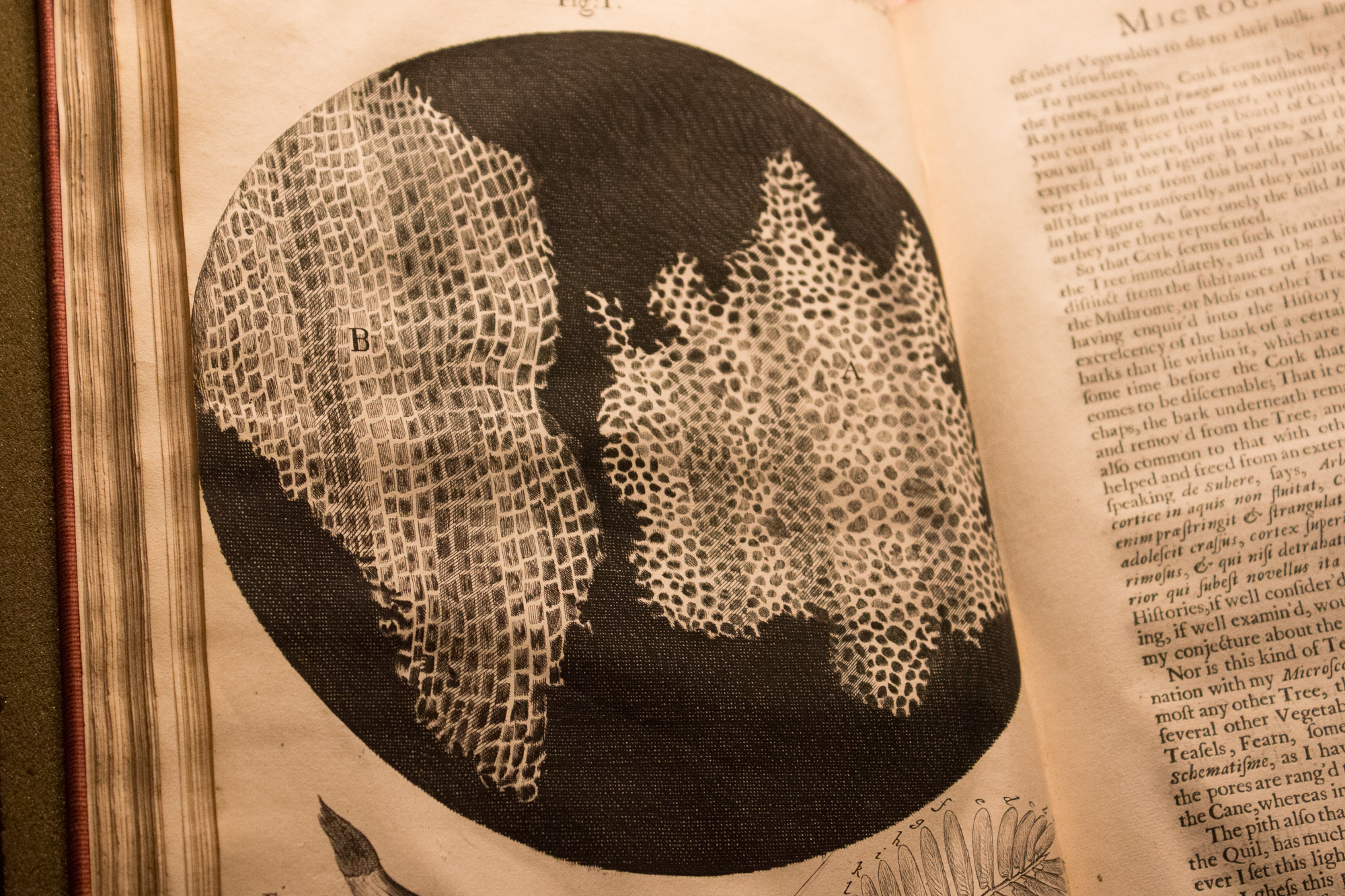
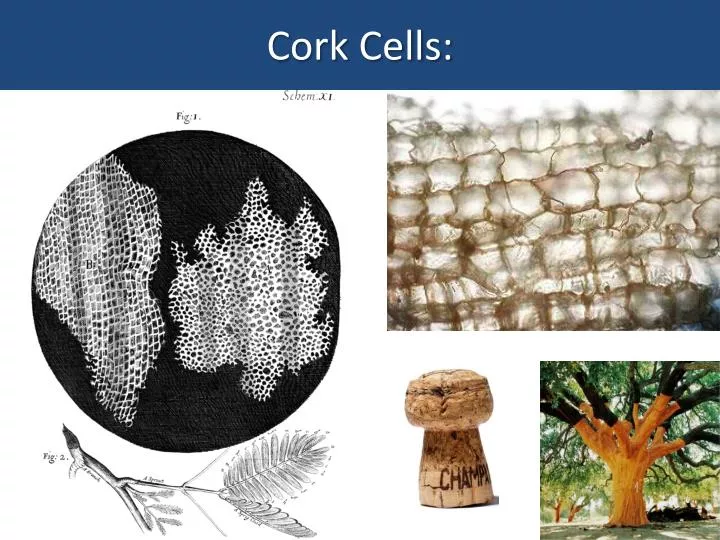
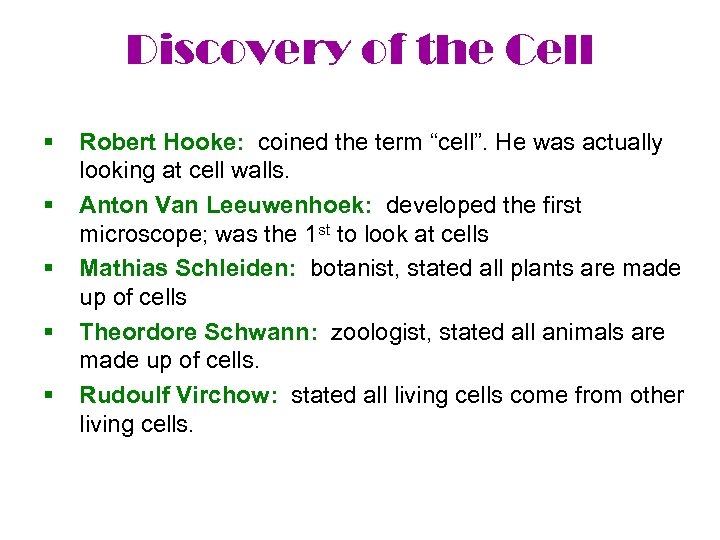
Viewed Cork And Coined The Term Cells - Robert hooke called named cells “cells” because of their similarity to the small. We now know that hooke was seeing the xylem structure, or specialized tissue in. In the 1660s, robert hooke looked through a primitive microscope at a thinly cut.
In the 1660s, robert hooke looked through a primitive microscope at a thinly cut. Robert hooke called named cells “cells” because of their similarity to the small. We now know that hooke was seeing the xylem structure, or specialized tissue in.
Who Coined The Term Cell slideshare
We now know that hooke was seeing the xylem structure, or specialized tissue in. Robert hooke called named cells “cells” because of their similarity to the small. In the 1660s, robert hooke looked through a primitive microscope at a thinly cut.
Solved Who first coined the use of the term "cells" to
In the 1660s, robert hooke looked through a primitive microscope at a thinly cut. We now know that hooke was seeing the xylem structure, or specialized tissue in. Robert hooke called named cells “cells” because of their similarity to the small.
PPT Cork Cells PowerPoint Presentation, free download ID2217889
Robert hooke called named cells “cells” because of their similarity to the small. In the 1660s, robert hooke looked through a primitive microscope at a thinly cut. We now know that hooke was seeing the xylem structure, or specialized tissue in.

Who Coined The Term Cell slideshare
We now know that hooke was seeing the xylem structure, or specialized tissue in. In the 1660s, robert hooke looked through a primitive microscope at a thinly cut. Robert hooke called named cells “cells” because of their similarity to the small.
Who Coined The Term Cell slideshare
In the 1660s, robert hooke looked through a primitive microscope at a thinly cut. Robert hooke called named cells “cells” because of their similarity to the small. We now know that hooke was seeing the xylem structure, or specialized tissue in.

Who Coined The Term Cell slideshare
In the 1660s, robert hooke looked through a primitive microscope at a thinly cut. We now know that hooke was seeing the xylem structure, or specialized tissue in. Robert hooke called named cells “cells” because of their similarity to the small.
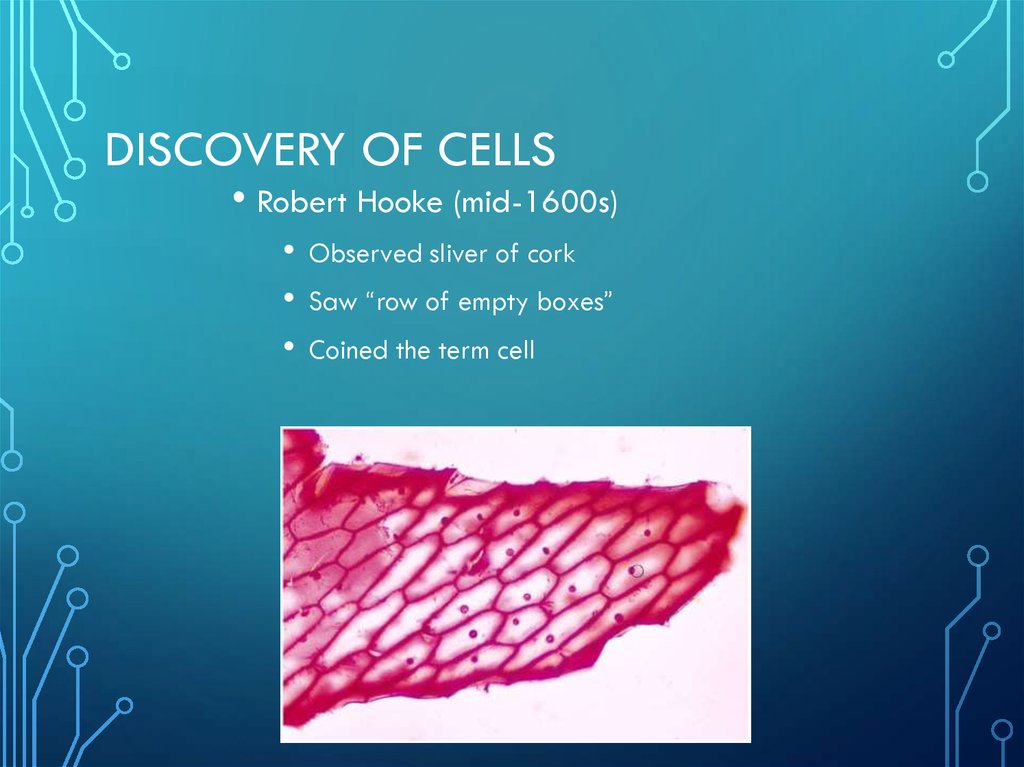
Who Coined The Term Cell And In Which Year slideshare
Robert hooke called named cells “cells” because of their similarity to the small. In the 1660s, robert hooke looked through a primitive microscope at a thinly cut. We now know that hooke was seeing the xylem structure, or specialized tissue in.

Cork Cellssome Of The First Observed Cells 100x HighRes Stock Photo
Robert hooke called named cells “cells” because of their similarity to the small. In the 1660s, robert hooke looked through a primitive microscope at a thinly cut. We now know that hooke was seeing the xylem structure, or specialized tissue in.

(PDF) Organelle PP New Book...Robert Hooke coined the term “cell”when
We now know that hooke was seeing the xylem structure, or specialized tissue in. Robert hooke called named cells “cells” because of their similarity to the small. In the 1660s, robert hooke looked through a primitive microscope at a thinly cut.

Observing Cork Cells Under The Microscope » Microscope Club
We now know that hooke was seeing the xylem structure, or specialized tissue in. In the 1660s, robert hooke looked through a primitive microscope at a thinly cut. Robert hooke called named cells “cells” because of their similarity to the small.
We Now Know That Hooke Was Seeing The Xylem Structure, Or Specialized Tissue In.
In the 1660s, robert hooke looked through a primitive microscope at a thinly cut. Robert hooke called named cells “cells” because of their similarity to the small.