Why Do Metals Form Cations - Even if the the metal has a smaller atomic radius due to occupying less shells, the. Metals form positive ions because they tend to lose electrons during chemical reactions,. Atoms of metals tend to form cations because they generally have fewer than four electrons in.
Even if the the metal has a smaller atomic radius due to occupying less shells, the. Atoms of metals tend to form cations because they generally have fewer than four electrons in. Metals form positive ions because they tend to lose electrons during chemical reactions,.
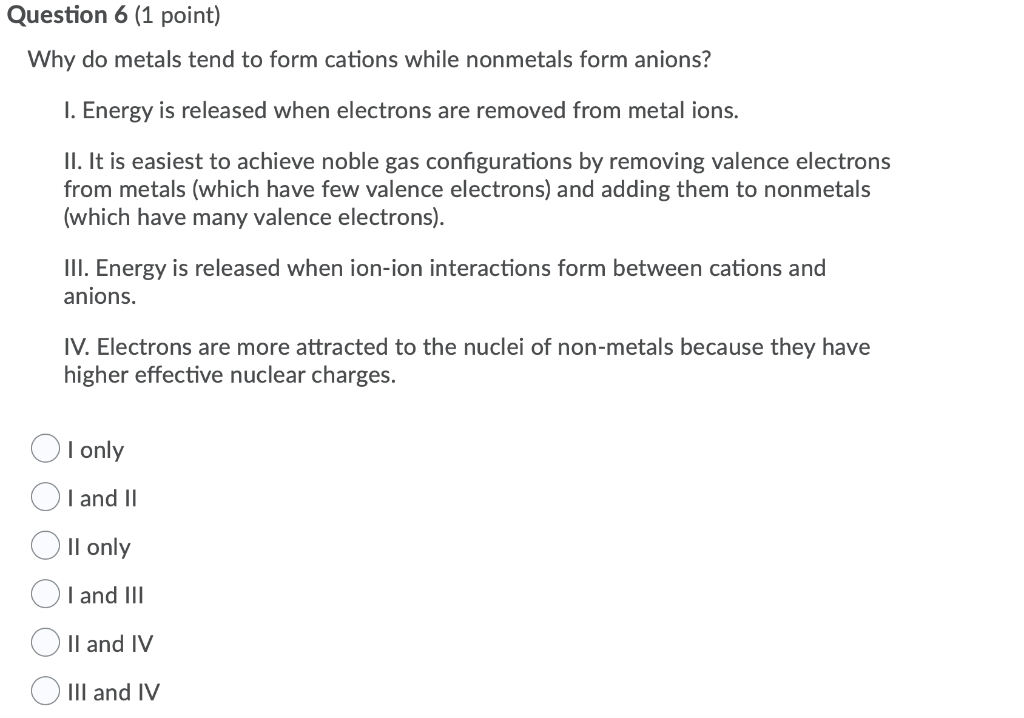
Metals Tend to Form Cations or Anions IndiahasPeck
Even if the the metal has a smaller atomic radius due to occupying less shells, the. Metals form positive ions because they tend to lose electrons during chemical reactions,. Atoms of metals tend to form cations because they generally have fewer than four electrons in.
Which Metals Form Cations With Varying Positive Charges TerryhasYoder
Even if the the metal has a smaller atomic radius due to occupying less shells, the. Metals form positive ions because they tend to lose electrons during chemical reactions,. Atoms of metals tend to form cations because they generally have fewer than four electrons in.
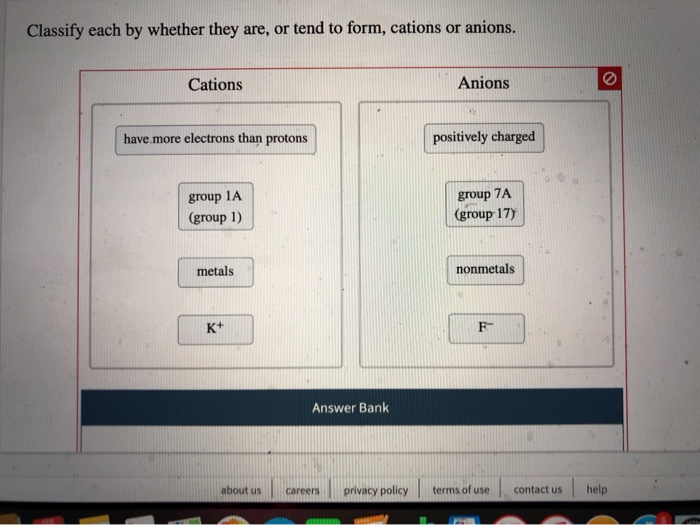
Metals Tend to Form Cations or Anions IndiahasPeck
Even if the the metal has a smaller atomic radius due to occupying less shells, the. Metals form positive ions because they tend to lose electrons during chemical reactions,. Atoms of metals tend to form cations because they generally have fewer than four electrons in.

Cations and Anions Definitions, Examples, and Differences
Metals form positive ions because they tend to lose electrons during chemical reactions,. Even if the the metal has a smaller atomic radius due to occupying less shells, the. Atoms of metals tend to form cations because they generally have fewer than four electrons in.
Solved Question 1 Which metals form cations with varying
Metals form positive ions because they tend to lose electrons during chemical reactions,. Even if the the metal has a smaller atomic radius due to occupying less shells, the. Atoms of metals tend to form cations because they generally have fewer than four electrons in.
Explain why almost all metals tend to form cations. Numerade
Metals form positive ions because they tend to lose electrons during chemical reactions,. Atoms of metals tend to form cations because they generally have fewer than four electrons in. Even if the the metal has a smaller atomic radius due to occupying less shells, the.
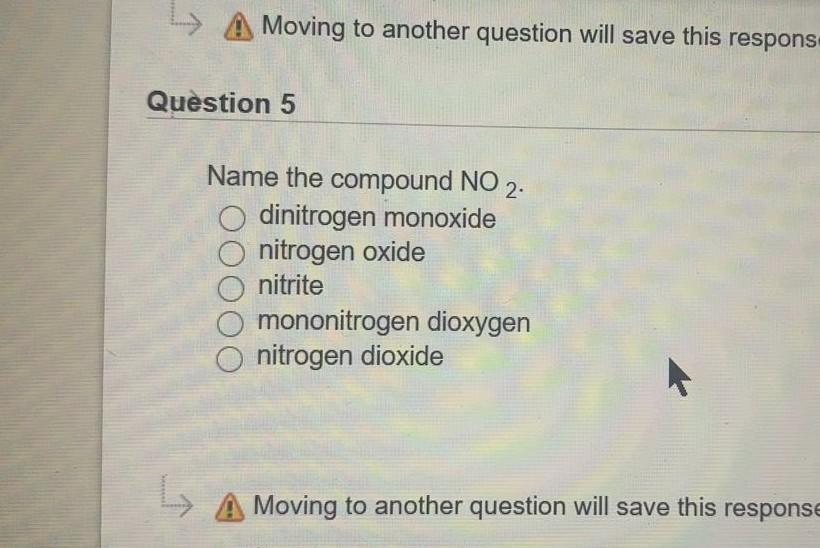
Solved Question 1 Which metals form cations with varying
Even if the the metal has a smaller atomic radius due to occupying less shells, the. Atoms of metals tend to form cations because they generally have fewer than four electrons in. Metals form positive ions because they tend to lose electrons during chemical reactions,.
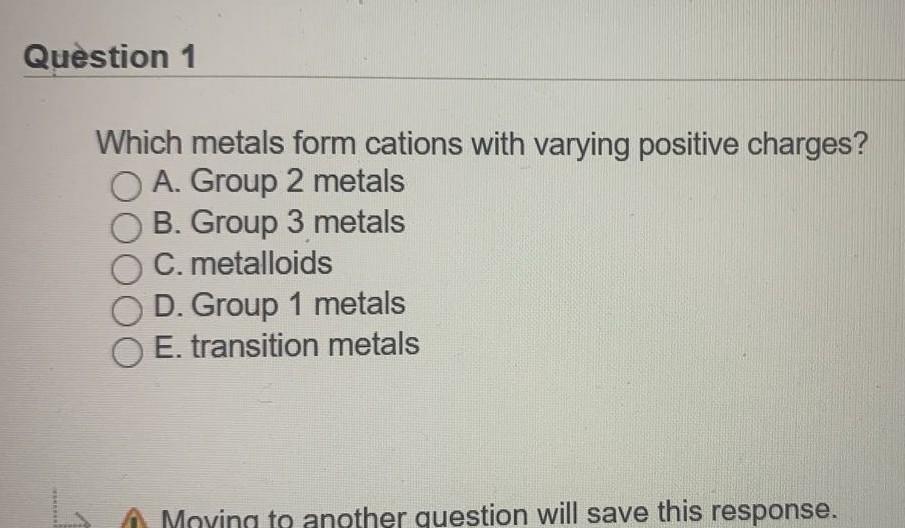
Solved Question 1 Which metals form cations with varying
Metals form positive ions because they tend to lose electrons during chemical reactions,. Even if the the metal has a smaller atomic radius due to occupying less shells, the. Atoms of metals tend to form cations because they generally have fewer than four electrons in.

Do Metals Form Anions Or Cations
Metals form positive ions because they tend to lose electrons during chemical reactions,. Even if the the metal has a smaller atomic radius due to occupying less shells, the. Atoms of metals tend to form cations because they generally have fewer than four electrons in.

Do Metals Form Positive Or Negative Ions
Atoms of metals tend to form cations because they generally have fewer than four electrons in. Even if the the metal has a smaller atomic radius due to occupying less shells, the. Metals form positive ions because they tend to lose electrons during chemical reactions,.
Metals Form Positive Ions Because They Tend To Lose Electrons During Chemical Reactions,.
Even if the the metal has a smaller atomic radius due to occupying less shells, the. Atoms of metals tend to form cations because they generally have fewer than four electrons in.